When a boiler stops, people feel it everywhere: cold rooms, no shower, and anxiety that grows with every passing hour. The difference between a same day boiler repair and a drawn-out saga often comes down to preparation, method, and communication. Over years on the tools, I have learned that a fast boiler repair is less about rushing and more about disciplined triage, smart stocking, and crisp decision-making. This article distils that approach into a practical, field-tested checklist, with detail aimed at both seasoned boiler engineers and homeowners who want to help the process move quickly. The lens is national, but I will weave in specifics for Leicester because local practice, water chemistry, and housing stock shape what you see on the job.
What fast really means in boiler repair
Speed without compromise is the aim. That means:
- making the system safe immediately, diagnosing accurately on the first visit, carrying the parts that fix the top 20 percent of faults that create 80 percent of call-outs, communicating exact next steps when an instant fix is not realistic.
In an ideal same day boiler repair, you arrive with enough context to skip half the blind alleys. You confirm the fault with one or two decisive tests. You fit a part from van stock, verify combustion and controls, and hand the homeowner a warm system with notes on prevention. If parts must be ordered, you lock in the quickest route to resolution without guesswork or repeated visits that add little value.
Why preparation beats speed
The fastest repair often happens before you knock on the door. When a coordinator, owner, or the boiler engineer does a structured pre-call, it shrinks on-site time. I ask for the boiler make and model, age, error codes, symptoms, and what happened in the 24 hours before failure. Did they bleed radiators? Did the weather snap and freeze a condensate line? Has the pressure been drifting? Is there a flashing flame symbol with no ignition? These details shape what goes in the van and which tests take priority. For boiler repairs Leicester, I also ask about water softness or a known hard supply because limescale changes the fault profile, especially in combi boilers with plate heat exchangers.
It sounds like common sense, yet it is remarkable how often a missing data point produces an unnecessary second visit. A classic example is a Vaillant ecoTEC with intermittent F28 ignition failure in a gusty street. If I know wind exposure at the flue terminal and the exact sub-model beforehand, I carry the right gaskets, electrodes, and, if warranted, a compatible fan so I am not writing “awaiting parts” on the job sheet at 8 pm in January.
A pre-arrival checklist for homeowners
This is one of the two concise lists in this guide. It speeds diagnosis and helps ensure a safe, effective repair. If you are waiting for a gas boiler repair, do the following before the engineer arrives:
- Note the boiler brand, model, and any fault code or flashing lights. Take a photo of the data plate and display. Check system pressure on the gauge. If it is under 1.0 bar when cold, top to 1.2 to 1.5 bar only if you know the filling loop. If unsure, leave it. Confirm the basics: electricity on, fused spur switched up, nearby RCD not tripped, gas supply on at the emergency control valve by the meter. Look outside at the flue and condensate pipe. If iced, do not force it. Note any gurgling or dripping. Put a bucket under visible leaks. Clear access: move items away from the boiler, loft hatch, airing cupboard, and around the gas meter for manometer access.
Immediate safety on arrival
The first duty is to make the installation safe. On-site, I confirm three things before touching anything else. One, no uncontrolled gas escape. Two, no signs of combustion distress, like scorch marks on the case, smell of flue gases, melted flue terminal, or a CO alarm in distress. Three, adequate ventilation where required by the appliance and age of the install. If the case has been off or seals look disturbed, I treat it as potentially at risk until I verify integrity. If the situation warrants it, I apply the Gas Industry Unsafe Situations Procedure, explain the risk, and either rectify immediately or isolate the appliance. Fast matters, but never more than safety.
The tool kit that saves minutes, not just hours
People often picture big spanners and a torch. In reality, the tools that consistently shave time are diagnostic. A calibrated flue gas analyser tells me at a glance if combustion is inside normal bands once the boiler fires. A U-gauge or digital manometer confirms standing pressure and working pressure at the boiler and at the appliance governor, revealing undersized pipework or a regulator issue in moments. A decent multimeter with fast continuity and insulated probes, paired with manufacturer pin-out diagrams, eliminates guesswork on fans, gas valves, thermistors, and pumps. Add a compact wet-and-dry vacuum for condensate traps, a small set of precision drivers for PCB terminals, a spare filling loop kit, PTFE tape, and silicone grease. These items often turn an urgent boiler repair into a same day boiler repair.
Van stock that closes the loop
If you aim to deliver boiler repair same day across most common models, carry a focused but versatile set of parts. In my experience repairing Worcester Bosch, Vaillant, Ideal, and Baxi units across Leicestershire, the parts most likely to resolve a no-heat call on the first visit are ignition electrodes and leads, flame rectification rods, a selection of NTC thermistors, a universal condensate trap and hose, expansion vessel Schrader valves and pump head gaskets, diverter motor heads, pressure relief valves in the common bar ratings, domestic hot water and system pressure sensors, a handful of PCB fuses, and simple items like washer sets for service valves. In hard-water zones around Leicester, a plate heat exchanger for popular combis like Worcester Greenstar and Vaillant ecoTEC pays for its shelf space many times over, particularly after eight to ten years of service.
Of course, you cannot kitchen-sink the van. Prioritise by your postcode. In LE2 to LE5 terraces with older systems, seized gate valves and corroded radiators point more towards leaks, stuck diverters, and pump failures. In newer estates further out, you see more blocked condensate lines during cold snaps and more sensor drift in compact combis. Track your last 200 repairs by model and fault. Update stock quarterly.
Symptom-led diagnosis that cuts straight to the point
Fast diagnosis uses crisp hypotheses tested in order of likelihood and time cost. You move from observation to a quick test to either confirmation or elimination. Five common scenarios show how that looks in practice.
No ignition with an F28, F29, or similar code. First, verify gas supply at the meter, then at the appliance via the test point with a manometer. If pressures are good under demand and the boiler still fails to ignite, inspect the electrode and flame sensor for hairline cracks or heavy oxidation. Check plug connections. Test the gas valve coil resistances against the service manual. On exposed walls, consider flue terminal wind effects or condensate trap blockages causing negative pressure anomalies. If the electrode is suspect and in van stock, replace and test. If ignition remains inconsistent, look to the fan speed feedback or air pressure switch on older models, noting the unit’s ignition sequence timing.
Burner lights but cycles quickly, tepid rads, or hot taps swinging from hot to cold. Watch the differential between flow and return on the display or via clip-on thermometers. If the difference is too high, suspect circulation issues like a failing https://www.instagram.com/subs_plumbing_and_heating/ pump or blocked plate heat exchanger. If domestic hot water surges, the diverter valve may be sticking, often from debris or scale. In Leicester’s hard water, a scaled plate heat exchanger is a prime culprit for domestic hot water temperature fluctuation and combi overheat lockouts. Where practical, power-flush the plate or replace it, fit an inlet scale reducer if appropriate, and advise on water treatment.
Boiler loses pressure and locks out with an E119 or similar. Rule out the obvious: fresh wet patches at radiator valves, towel rails, and under the boiler. If no visible leak, check the pressure relief valve discharge outside. If it drips when cold, the expansion vessel may be flat. Isolate and drain the system side of the vessel, check the air charge with a reliable gauge, and recharge to manufacturer spec, typically around 0.75 to 1.0 bar for domestic systems. If the PRV has passed debris, it may not reseat even after a correct recharge, so a new PRV from stock saves a revisit. Verify pressure stability over heat-up and cool-down.
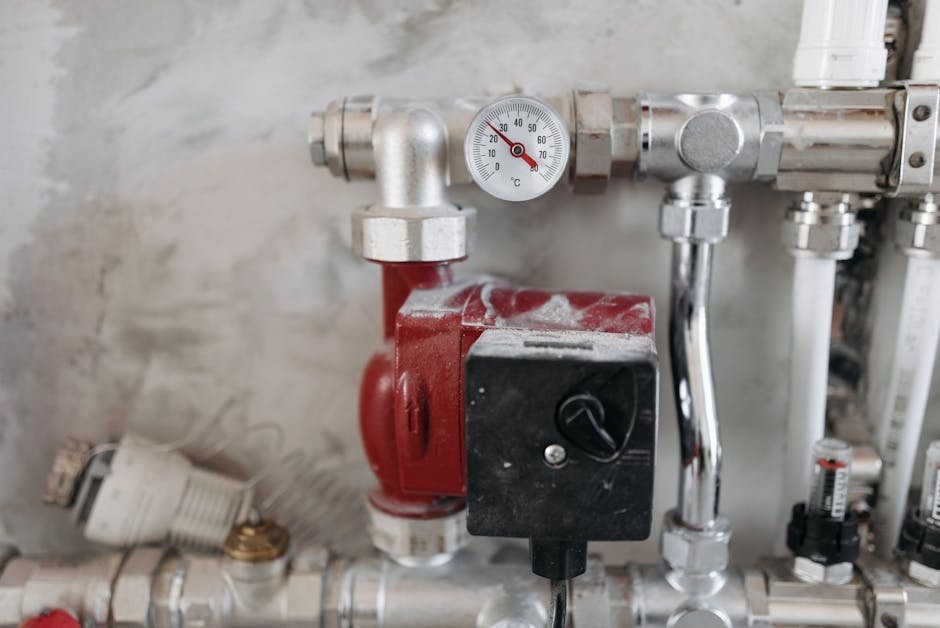
Boiler works for heating but no hot water on a combi. This is a classic. Confirm the domestic hot water flow rate at a tap. If the flow is anaemic, a blocked aerator or limescale is again in play. If flow is solid but the boiler stays in CH mode, the diverter valve or its motor head is failing. On some models, the DHW flow switch or turbine sensor sticks. Clean or replace based on your safety margin and stock. As a fast check, switching to hot water only and listening for activity can guide you to a stalled diverter without removing the case.
Kettling noises, intermittent overheat, or burner modulation misbehaving. Look at pump speed settings, system balancing, and sludge levels. Magnetic filters, if present, tell a story. A combi that has never had inhibitor after radiators were swapped is likely running thick with magnetite. Briefly purge the heat exchanger and consider a chemical clean during the repair, not just during a future power flush. Check NTC thermistors against known resistance values at ambient and at operating temperature. A drifting sensor can waste an hour if you assume control logic is perfect.
Each model family has its quirks. Worcester often presents with perished sump seals and blocked condensate traps after years of service. Vaillant’s ecoTEC line rewards attention to ignition leads and the insulation kit around the burner. Ideal Logic units suffer cracked sumps and condensate issues more than most. Baxi’s ranges often make circulation faults easy to spot through accessible temperature sensors. Keeping these mental maps saves time.
Combustion checks, always
A fast job is still a complete job. After any repair touching the combustion pathway, I pull a stable flue gas reading with the analyser, confirm CO and CO2 are where the manufacturer expects, and ensure the ratio is within limits at minimum and maximum rates. It takes minutes and prevents a callback. If I have adjusted anything fuel-side, I document working pressure and flue gas values on the job sheet. Customers rarely see this, but it is the quiet marker of a professional gas boiler repair.
Leicester specifics that influence repair speed
Boiler repair Leicester has a few consistent patterns that are worth building into your planning. The local water is generally hard, especially across LE3 and parts of LE4, which accelerates scale in plate heat exchangers and taps. Carry acid-safe flush gear, neutraliser, and gloves, and be ready to dose and rinse efficiently. Older terraces near Narborough Road or Highfields often have mixed-age pipework with microbore runs. Expect circulation bottlenecks and be gentle with old isolation valves that may crumble if over-torqued. Exposed condensate runs at the back of the house freeze quickly during cold snaps. If you are on a same day boiler repair during a freeze, bring heat packs, lagging, and a simple reroute kit. Many flats in converted buildings have boilers installed in tight cupboards; slimline tools and a flexible inspection mirror will earn their keep.
The city’s housing stock also means you see a lot of combis under 30 kW serving one bathroom, plus a healthy number of system boilers with unvented cylinders in newer estates. Unvented safety devices sometimes trip after power cuts or reheating from cold. Understanding those relief valves and expansion components shortens the diagnostic time when hot water is present but erratic.
Where urgency meets judgment
Local emergency boiler repair often arrives at difficult hours. Not every urgent boiler repair is an emergency, but people call because they are cold. The discipline is to stabilise what you can at once, and be frank about what cannot be safely bodged. Resetting a tripped overheat stat, thawing a condensate pipe, or replacing a leaky PRV can return heat quickly and safely. In contrast, a charred PCB, damaged flue components, or a gas valve that will not pass safety tests cannot be rushed. You safeguard the customer with temporary heating advice, an early-morning parts pickup, and clear pricing. This transparency is what turns a frustrating night into a 5-star review the next day.
What to repair now, what to schedule, and what to replace
Part of moving fast is deciding whether to fix or pivot. If an 18-year-old conventional boiler has a failed fan and a tired heat exchanger with repeated leaks, the bill to repair may be over half the cost of replacement. In those cases, I provide a repair option and a replacement quote side by side, with timings. If a nine-year-old combi has a failing diverter valve and scaled plate, and van stock can do both within an hour or two, the repair makes excellent sense.
For costs, realistic ranges anchor expectations. In the Midlands, a straightforward same day boiler repair using common parts can land between £120 and £350 including VAT, depending on labour time and the part fitted. More complex faults involving a PCB, fan assembly, or plate heat exchanger often reach £350 to £650. Full-day diagnostics or multiple component failures push higher. This context prevents sticker shock and helps the customer approve the efficient option without delay.
Communication that accelerates the job
The fastest path from phone call to heat restored often comes down to questions you ask and how you explain choices. I keep the conversation focused on three beats. First, clarify what they see, hear, and smell, plus any codes and recent changes. Second, outline the likely causes in plain language and what I will test first. Third, give a best-case and worst-case time and cost. If I need to leave the boiler off for safety, I explain precisely why, document it, and often share a short video clip from my phone to show the issue. When you work boiler repairs Leicester in winter, those simple steps keep people calm and cooperative, which in turn saves you minutes at every stage.
Maintenance moves that prevent repeat call-outs
Fast repair is half the story. Avoiding the second visit is the other half. After fitting parts, I always look briefly at the system water. If it is pitch-black, I recommend a cleaner and inhibitor routine and, where suitable, a magnetite filter install. I also check the expansion vessel precharge, bleed the highest radiators, and verify the pump speed and modulation settings against the size of the property. If there is no carbon monoxide alarm in the property, I advise one and explain correct placement. For hard-water postcodes, I mention scale control on the cold feed to a combi or a whole-house softener where budget allows. Small measures like trimming an over-long condensate run and lagging it are cheap insurance against another midnight call.
The engineer’s on-site fast repair checklist
Second and final list. These are the anchor steps I run through on almost every call, compressed to five points for memorability:
- Stabilise and make safe: isolate where needed, check for gas escape, confirm flue integrity, and verify ventilation where applicable. Gather live data: read fault codes, observe lights and sounds, confirm pressures and flows, and note ambient conditions like freezing weather or wind. Test in order of likelihood: use the manometer, multimeter, and analyser to check supply, ignition, sensors, and circulation without parts swapping. Act with intent: fit the confirmed part from van stock when tests align, clear traps and blockages, recharge vessels, and replace compromised seals and washers. Prove and document: run heating and hot water to temperature, verify combustion numbers, check for leaks, set timers and thermostats correctly, and write clear notes with price and aftercare.
Case files from the field
January in Knighton, a Vaillant ecoTEC Pro showing F28 at dawn. Outside temperature around minus five, wind cutting across the flue. Inside, no gas smell, but the condensate trap was full of slush. I thawed and insulated the external run, emptied and cleaned the trap, and replaced a pitted ignition electrode from stock. Fifteen minutes to stable flame, ten more for analyser checks. Same day, heat restored.
A terraced house in Belgrave with a Worcester Greenstar combi, hot water swinging hot to tepid during evening showers. No codes. Domestic flow rate was fine, but the temperature sensor graph bounced. The plate heat exchanger was scaled and the diverter valve stiff. Replaced the plate from van stock, cleaned the diverter spindle, and dosed inhibitor. The owner reported stable hot water at 42 to 45 degrees after the fix, and we booked a power flush for the following week.
A family in Oadby called for urgent boiler repair with pressure dropping daily. No visible leaks. The pressure relief discharge terminated above a flowerbed and was wet even when cold. The expansion vessel had lost charge. Isolated, drained, recharged to 0.9 bar, and replaced a PRV that would not reseat cleanly. Monitored through a heat cycle, pressure rose modestly to 1.8 bar then settled to 1.3 bar cold the next morning. Simple, effective, and it ended a month of topping up, which had been dragging air and fresh oxygen into the system.
Fault codes, manuals, and the line between speed and guessing
Every engineer has a story about losing an hour chasing a red herring because they relied on a memory of a fault code from a different model year. Keep the latest service manuals on your phone or tablet. Many brands revise sequences and sensor tolerances by sub-model. Cross-referencing a code takes seconds and removes ambiguity. Equally, beware the temptation to throw parts at a problem. If the flame fails and you suspect both the gas valve and the PCB, step back and prove each with a reading or a substitution of a known-good part if you carry a test board. Speed grows from certainty, not luck.
Weather, controls, and call volume waves
In a freezing snap, local emergency boiler repair calls surge, and patterns emerge. Iced condensate becomes a primary driver. You can prepare by pre-lagging vulnerable runs on previous visits, saving those customers from entering the queue. Smart thermostat misconfigurations create a separate wave after power outages. People blame the boiler when a schedule reset leaves them with a cold house. A two-minute reprogram, and you are out the door. Train your office or your own triage script to ask about controls, schedules, and app connectivity. It will peel away non-boiler faults and save same day capacity for true gas boiler repair.
Documentation that protects everyone
Write what you did, what you tested, what you found, and what you set. Record readings: standing and working gas pressure, flue gas figures after any combustion work, system pressure cold and hot, and any electrical values relevant to the diagnosis. If you isolated the appliance for safety, clearly mark it at the boiler and at the meter if necessary, and document customer consent. Provide a typed or digital summary via email if possible. For boiler repairs Leicester, I often include a short note about local water hardness and scale control if it was a factor, because it helps customers remember to act on it later.
Working with landlords and letting agents
Fast boiler repair in tenanted properties rests on access and authorisation. Ask for permission to approve small parts up to a set amount before arrival, say £200, so you can act without phone tag. Confirm how you will enter if the tenant is at work, and ensure someone can approve a higher part cost within minutes, not days. After the job, share photos and brief videos with the agent. It reassures them and reduces disputes. When you offer boiler repair Leicester to multiple agents, a standard approach like this halves the time from call to fix.
When you cannot finish same day
There are times when you have a diagnosis but lack the part. If it is a fan, PCB, or brand-specific component you do not carry, give the customer a firm plan. Name the part, the supplier, the earliest collection time, and a realistic window for fitting. Offer safe temporary heat options, like electric heaters, and be honest about cost. If a warranty is in play, involve the manufacturer quickly and provide the serial number and error history they will ask for. Customers forgive delays when they can see a clean process, especially if you handled what could be handled there and then.
Building a culture of speed in a small team
If you manage local boiler engineers, the habits that deliver same day service can be taught. Weekly debriefs on the top five call-outs, a live shared list of van stock adjustments, and a small reward for the best first-time fix rate create friendly competition. Encourage engineers to take a brief photo set at the end of the job for your internal library. In time, you will have a visual playbook of faults, part placements, and brand oddities that mean the next engineer is quicker. This is the quiet backbone of any team that promises local emergency boiler repair and keeps that promise in January when the phone never stops.
How homeowners can choose the right help
From the customer side, speed begins with selection. Look for a Gas Safe registered boiler engineer, ideally one who lists your boiler brand among their common repairs. Search terms help, but the proof lives in reviews that mention first-time fixes and clear explanations. If you are in the East Midlands, looking for boiler repair Leicester or boiler repairs Leicester is a good start, but read beyond the headline. A firm that offers same day boiler repair should be willing to share what they carry on vans and what their process is when they cannot complete a repair immediately. Pricing clarity beats a rock-bottom call-out that mushrooms later.
The role of seasonal service
Annual service is not a sales pitch; it is a speed hack for winter. A service visit in autumn clears the condensate trap, checks electrodes and seals, verifies combustion, and spots that tired expansion vessel before it kills the PRV. It can be the difference between a quiet season and an emergency chain. In Leicester, ask your engineer to test water hardness and record it in the service notes. With that one number, the next hot water complaint can be resolved faster, often with the correct part in the van from the start.
A closing word on pride and pace
The craft of fast boiler repair is built on attention to detail and respect for the customer’s time. You are not just swapping parts. You are reading a system, predicting failure modes, and balancing speed against the discipline that keeps people safe. When it goes well, you restore not only heat, but also peace of mind. In a city like Leicester where winter can bite and streets can be tight, the work is both technical and human. You climb narrow stairs, crouch in tiny cupboards, and still keep the method strong. That method becomes your signature, and over a career it is what turns repeat customers into the best-marketing department you could ask for.
If you are a homeowner, keep the pre-arrival checklist handy and do what you can to make the visit efficient. If you are a boiler engineer, refine your on-site steps until they are muscle memory, and keep sharpening your local knowledge. Between those two efforts, urgent boiler repair stops being a crisis and becomes a solvable, predictable event. And that, in the heart of winter, makes all the difference.
Local Plumber Leicester – Plumbing & Heating Experts
Covering Leicester | Oadby | Wigston | Loughborough | Market Harborough
0116 216 9098
[email protected]
www.localplumberleicester.co.uk
Local Plumber Leicester – Subs Plumbing & Heating Ltd deliver expert boiler repair services across Leicester and Leicestershire. Our fully qualified, Gas Safe registered engineers specialise in diagnosing faults, repairing breakdowns, and restoring heating systems quickly and safely. We work with all major boiler brands and offer 24/7 emergency callouts with no hidden charges. As a trusted, family-run business, we’re known for fast response times, transparent pricing, and 5-star customer care. Free quotes available across all residential boiler repair jobs.
Service Areas: Leicester, Oadby, Wigston, Blaby, Glenfield, Braunstone, Loughborough, Market Harborough, Syston, Thurmaston, Anstey, Countesthorpe, Enderby, Narborough, Great Glen, Fleckney, Rothley, Sileby, Mountsorrel, Evington, Aylestone, Clarendon Park, Stoneygate, Hamilton, Knighton, Cosby, Houghton on the Hill, Kibworth Harcourt, Whetstone, Thorpe Astley, Bushby and surrounding areas across Leicestershire.
Google Business Profile:
View on Google Search
About Subs Plumbing on Google Maps
Knowledge Graph
Latest Updates
Follow Local Plumber Leicester:
Facebook |
Instagram

Visit @subs_plumbing_and_heating on Instagram
Gas Safe Boiler Repairs across Leicester and Leicestershire – Local Plumber Leicester (Subs Plumbing & Heating Ltd) provide expert boiler fault diagnosis, emergency breakdown response, boiler servicing, and full boiler replacements. Whether it’s a leaking system or no heating, our trusted engineers deliver fast, affordable, and fully insured repairs for all major brands. We cover homes and rental properties across Leicester, ensuring reliable heating all year round.
❓
Q. How much should a boiler repair cost?
A. The cost of a boiler repair in the United Kingdom typically ranges from £100 to £400, depending on the complexity of the issue and the type of boiler. For minor repairs, such as a faulty thermostat or pressure issue, you might pay around £100 to £200, while more significant problems like a broken heat exchanger can cost upwards of £300. Always use a Gas Safe registered engineer for compliance and safety, and get multiple quotes to ensure fair pricing.
❓
Q. What are the signs of a faulty boiler?
A. Signs of a faulty boiler include unusual noises (banging or whistling), radiators not heating properly, low water pressure, or a sudden rise in energy bills. If the pilot light keeps going out or hot water supply is inconsistent, these are also red flags. Prompt attention can prevent bigger repairs—always contact a Gas Safe registered engineer for diagnosis and service.
❓
Q. Is it cheaper to repair or replace a boiler?
A. If your boiler is over 10 years old or repairs exceed £400, replacing it may be more cost-effective. New energy-efficient models can reduce heating bills by up to 30%. Boiler replacement typically costs between £1,500 and £3,000, including installation. A Gas Safe engineer can assess your boiler’s condition and advise accordingly.
❓
Q. Should a 20 year old boiler be replaced?
A. Yes, most boilers last 10–15 years, so a 20-year-old system is likely inefficient and at higher risk of failure. Replacing it could save up to £300 annually on energy bills. Newer boilers must meet UK energy performance standards, and installation by a Gas Safe registered engineer ensures legal compliance and safety.
❓
Q. What qualifications should I look for in a boiler repair technician in Leicester?
A. A qualified boiler technician should be Gas Safe registered. Additional credentials include NVQ Level 2 or 3 in Heating and Ventilating, and manufacturer-approved training for brands like Worcester Bosch or Ideal. Always ask for reviews, proof of certification, and a written quote before proceeding with any repair.
❓
Q. How long does a typical boiler repair take in the UK?
A. Most boiler repairs take 1 to 3 hours. Simple fixes like replacing a thermostat or pump are usually quicker, while more complex faults may take longer. Expect to pay £100–£300 depending on labour and parts. Always hire a Gas Safe registered engineer for legal and safety reasons.
❓
Q. Are there any government grants available for boiler repairs in Leicester?
A. Yes, schemes like the Energy Company Obligation (ECO) may provide grants for boiler repairs or replacements for low-income households. Local councils in Leicester may also offer energy-efficiency programmes. Visit the Leicester City Council website for eligibility details and speak with a registered installer for guidance.
❓
Q. What are the most common causes of boiler breakdowns in the UK?
A. Common causes include sludge build-up, worn components like the thermocouple or diverter valve, leaks, or pressure issues. Annual servicing (£70–£100) helps prevent breakdowns and ensures the system remains safe and efficient. Always use a Gas Safe engineer for repairs and servicing.
❓
Q. How can I maintain my boiler to prevent the need for repairs?
A. Schedule annual servicing with a Gas Safe engineer, check boiler pressure regularly (should be between 1–1.5 bar), and bleed radiators as needed. Keep the area around the boiler clear and monitor for strange noises or water leaks. Regular checks extend lifespan and ensure efficient performance.
❓
Q. What safety regulations should be followed when repairing a boiler?
A. All gas work in the UK must comply with the Gas Safety (Installation and Use) Regulations 1998. Repairs should only be performed by Gas Safe registered engineers. Annual servicing is also recommended to maintain safety, costing around £80–£120. Always verify the engineer's registration before allowing any work.
Local Area Information for Leicester, Leicestershire